How to Choose the Right Water Heater for Your Home
Published January 15, 2026
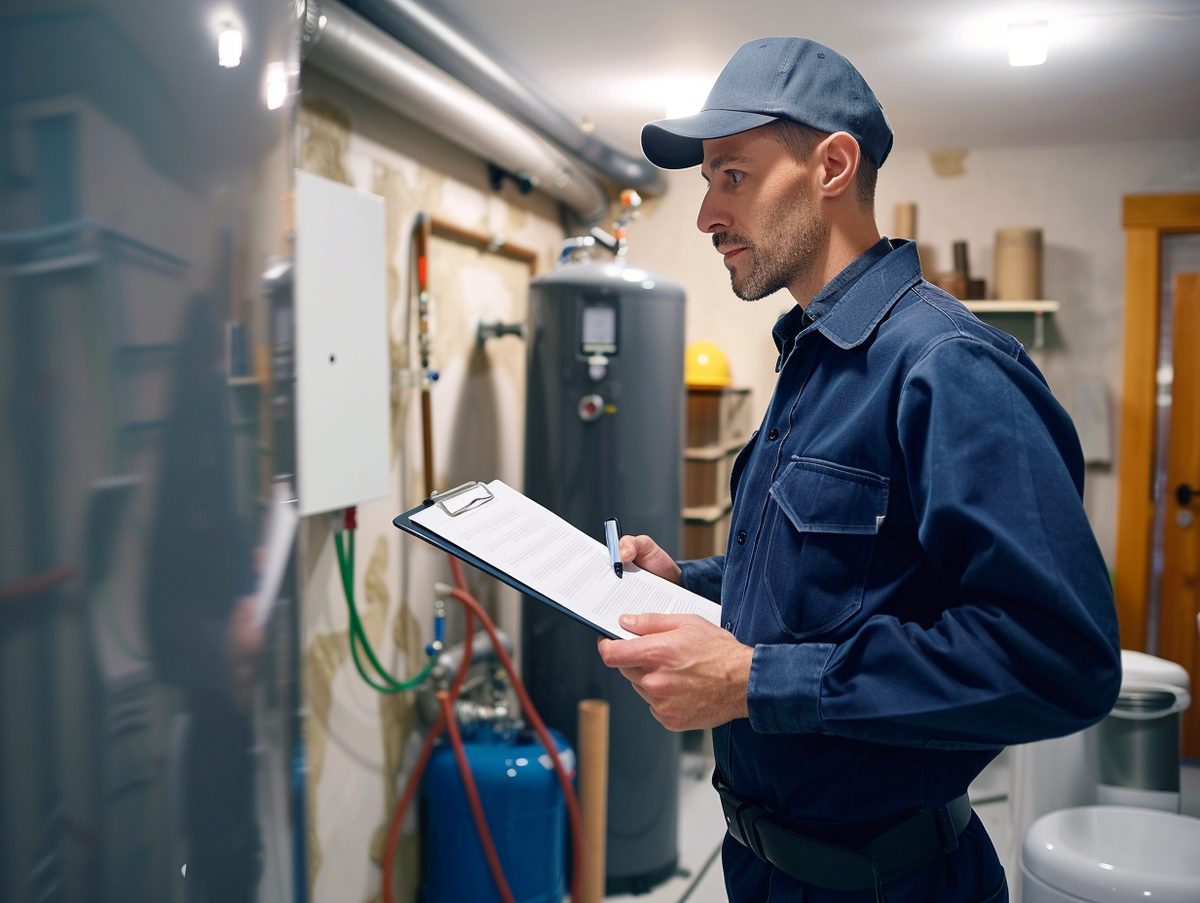
Choosing a new water heater is one of the most important decisions you can make for your home's comfort and energy efficiency. With various types, fuel sources, and capacities available, the right choice depends on your household size, budget, and hot water usage patterns.
Tank vs. Tankless: Understanding the Basics
Traditional tank water heaters store a large volume of pre-heated water (typically 150 to 300 litres) ready for use at any time. They are generally less expensive to purchase and install, making them a popular choice for many households.
Tankless (on-demand) water heaters heat water only when you need it. While the upfront cost is higher, they can save significant energy over time because they do not constantly maintain a reservoir of hot water. They also take up far less space — ideal for smaller homes and apartments.
Fuel Source Options
Natural Gas: Gas water heaters heat water faster and are typically cheaper to operate than electric models. However, they require proper ventilation and a gas line connection. They are an excellent choice if your home already has a gas supply.
Electric: Electric water heaters are easier to install and do not require ventilation. They work well in homes without gas connections. Modern heat pump (hybrid) electric models can be remarkably energy-efficient, using up to 60% less electricity than conventional electric heaters.
Solar: Solar water heaters use rooftop collectors to absorb heat from the sun. They can dramatically reduce your energy bills, especially in sunny climates like much of Turkey. Most solar systems include a backup electric or gas element for cloudy days.
Sizing Your Water Heater
Getting the right size is crucial. A unit that is too small will run out of hot water during peak usage, while an oversized unit wastes energy. Consider these general guidelines:
- 1-2 people: 100-150 litre tank or 15-20 L/min tankless
- 3-4 people: 150-250 litre tank or 20-25 L/min tankless
- 5+ people: 250-300+ litre tank or 25-30 L/min tankless
Energy Efficiency Ratings
Look for the energy efficiency label when shopping for a water heater. Higher-rated models may cost more initially but will save you money on utility bills over their 10-15 year lifespan. The energy factor (EF) rating measures overall efficiency — the higher the number, the more efficient the unit.
Installation Considerations
Professional installation is essential for safety and warranty compliance. A qualified technician will ensure proper connections for water, gas or electricity, and verify adequate ventilation. They will also check that the unit meets local building codes and safety regulations.
At AquaPipe Tesisat, our licensed technicians handle every aspect of water heater installation, from removing your old unit to testing the new system for proper operation and safety.
Maintenance Tips
Regular maintenance extends the life of your water heater and keeps it running efficiently:
- Flush the tank annually to remove sediment buildup
- Check the anode rod every 2-3 years and replace if corroded
- Test the temperature and pressure relief valve periodically
- Insulate older tanks and hot water pipes to reduce heat loss
- Set the thermostat to 49-60 degrees Celsius for optimal efficiency and safety